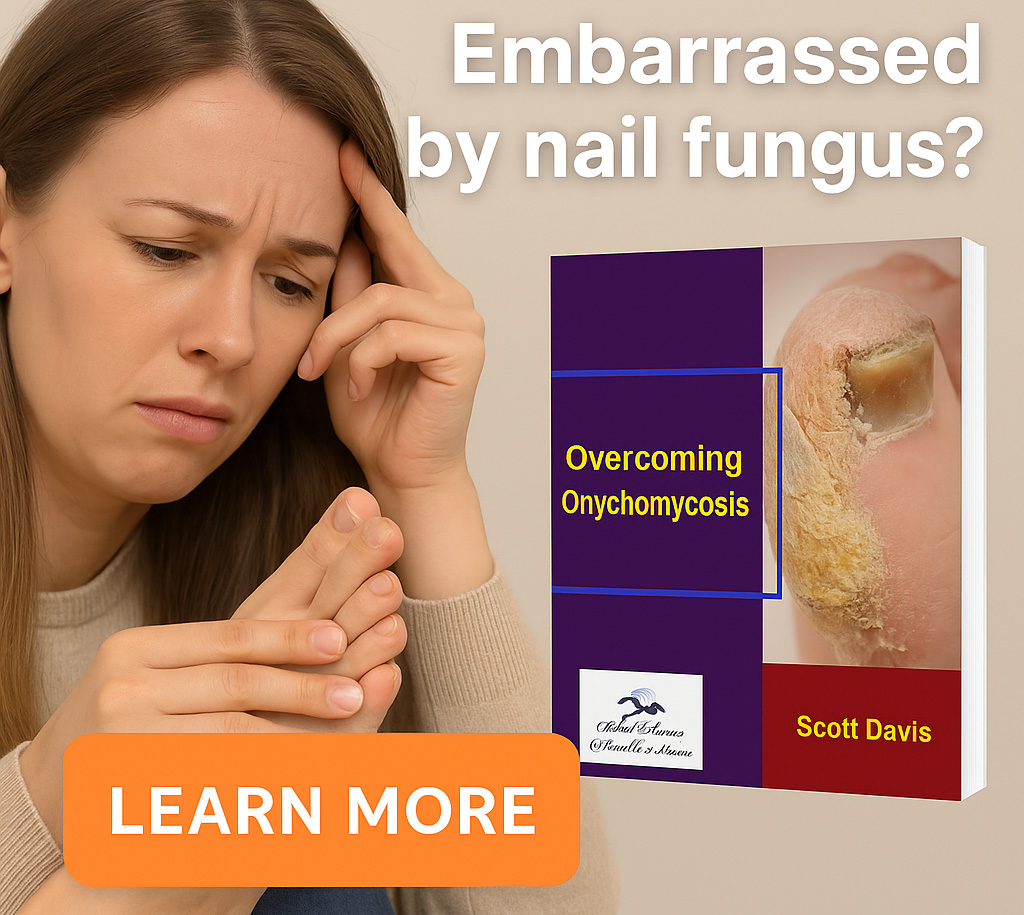
Overcoming Onychomycosis™ By Scott Davis It is a simple, natural, and all-in-one solution for onychomycosis. The program can help you to treat your nail fungus naturally. Once you follow this program, you do not need to spend on expensive treatments to prevent a recurrence. In brief, you can have a proven solution for your chronic nail fungus. Besides, the program is easy to follow, and most users find it effective against onychomycosis.
How can one keep nails healthy to prevent onychomycosis?
Maintaining healthy nails is essential in preventing onychomycosis (fungal nail infections). A combination of proper nail care, good hygiene, and lifestyle habits can significantly reduce the risk of developing fungal infections. Here are some effective strategies to help keep your nails healthy:
1. Keep Nails Clean and Dry
- Wash Hands and Feet Regularly: Wash your hands and feet thoroughly with soap and water, paying extra attention to the nail areas. Fungi thrive in warm, moist environments, so it’s important to keep your nails dry.
- Dry Thoroughly After Washing: After washing, make sure to dry your nails completely, especially between your toes, where moisture can accumulate and create an ideal environment for fungi.
- Use Antifungal Powder or Spray: For those prone to fungal infections, using antifungal powder or spray on your feet can help keep them dry and prevent the growth of fungi.
2. Trim and Shape Nails Properly
- Regular Nail Trimming: Trim your nails regularly to prevent them from growing too long and becoming more susceptible to trauma. Use clean, sharp nail clippers and avoid tearing or ripping the nails, which can cause damage and increase the risk of infection.
- Straight-Cut Nails: When trimming, cut your nails straight across rather than curving them, which can prevent ingrown nails and reduce the risk of trauma.
- File Edges Smoothly: After trimming, use a nail file to smooth any rough edges to prevent snagging, which can lead to further injury.
3. Protect Nails from Trauma
- Wear Proper Footwear: Tight or ill-fitting shoes can cause trauma to the toenails, leading to damage and increasing the risk of fungal infections. Choose shoes that fit properly and allow your toes to move comfortably. Avoid wearing the same shoes every day to allow them to air out.
- Wear Protective Gloves: If you’re working with harsh chemicals or in activities that put your nails at risk (e.g., gardening, cleaning, or construction), wear gloves to protect your nails from injury and exposure to harmful substances.
- Avoid Biting Nails: Nail biting can cause damage to the nail and surrounding skin, leading to an entry point for fungi. Try to avoid this habit to prevent infection.
4. Maintain Healthy Nail Hygiene
- Don’t Share Nail Tools: Avoid sharing nail clippers, files, or scissors with others to reduce the risk of transferring fungi or bacteria. Disinfect your nail tools regularly to keep them clean.
- Use Nail Polish and Products Wisely: If you use nail polish, avoid prolonged use of heavy, thick layers that can trap moisture under the nails. Always remove nail polish regularly and allow your nails to breathe. Avoid acrylic or gel nails if they damage the natural nail or create moisture-trapping conditions.
- Moisturize Nails: Keep your nails and cuticles moisturized by using hand creams or oils. Dry, brittle nails are more likely to crack, split, or become damaged, increasing the risk of infection.
5. Protect Your Nails in Public Spaces
- Wear Flip-Flops in Public Showers: In places like gyms, public pools, or locker rooms, wear flip-flops or waterproof sandals to protect your nails from fungal exposure, as these areas are common sources of nail fungi.
- Avoid Walking Barefoot in Damp Areas: Fungi thrive in warm, damp environments, so avoid walking barefoot in places like poolside areas, showers, or wet floors where fungal spores are more likely to be present.
6. Improve Your Diet and Hydration
- Eat a Balanced Diet: A healthy diet plays a role in the strength of your nails. Nutrients like biotin, zinc, iron, and vitamins A and C are important for maintaining strong and healthy nails.
- Stay Hydrated: Proper hydration helps maintain nail flexibility and prevents them from becoming dry and brittle, which can increase the risk of damage and infection.
7. Avoid Excessive Moisture
- Don’t Soak Nails for Long Periods: While washing your hands and feet is important, prolonged soaking in water can soften the nails and make them more prone to damage. If you do soak your nails, make sure to dry them thoroughly afterward.
- Avoid Wet Socks: Change out of wet socks as soon as possible, especially if you’ve been exposed to moisture from sweat, rain, or water. Prolonged exposure to wet conditions can weaken the nails and make them more susceptible to fungal infections.
8. Monitor and Address Nail Issues Early
- Check for Early Signs of Infection: Regularly inspect your nails for signs of fungal infection, such as discoloration (yellowing, white spots), thickening, or cracks. Early detection allows for prompt treatment before the infection worsens.
- Treat Nail Injuries Immediately: If you injure a nail or experience trauma, treat it right away by cleaning it, applying an antiseptic, and keeping it covered to prevent infection. Minor injuries can become breeding grounds for fungi if not addressed promptly.
9. Practice Healthy Foot Hygiene
- Keep Feet Clean and Dry: Wash and dry your feet thoroughly each day, especially between the toes. Consider using antifungal foot powder to help absorb moisture and prevent fungal growth.
- Change Socks Regularly: Wear clean, dry socks and change them if they become damp during the day. Choose moisture-wicking socks, especially if you’re prone to sweaty feet.
10. Manage Underlying Health Conditions
- Control Diabetes and Other Conditions: Conditions like diabetes, immune system disorders, and circulation issues can increase the risk of fungal infections. If you have any underlying health conditions, work with your healthcare provider to manage them effectively.
- Maintain Good Circulation: Poor circulation can contribute to fungal infections, so it’s important to keep your blood circulation healthy through regular exercise, a balanced diet, and avoiding prolonged periods of immobility.
Conclusion:
By practicing good nail hygiene, protecting your nails from trauma, maintaining a healthy diet, and addressing any nail issues promptly, you can significantly reduce the risk of developing onychomycosis. Prevention is key, and small, consistent habits can go a long way in maintaining the health of your nails and preventing fungal infections. If you suspect you have a fungal infection, it’s important to seek treatment promptly to prevent the infection from spreading or worsening.

Overcoming Onychomycosis™ By Scott Davis It is a simple, natural, and all-in-one solution for onychomycosis. The program can help you to treat your nail fungus naturally. Once you follow this program, you do not need to spend on expensive treatments to prevent a recurrence. In brief, you can have a proven solution for your chronic nail fungus. Besides, the program is easy to follow, and most users find it effective against onychomycosis

I’m Mr.Hotsia, sharing 30 years of travel experiences with readers worldwide. This review is based on my personal journey and what I’ve learned along the way. Learn more |