Toenail Fungus After Treatment: What Healthy Regrowth Looks Like

The last day of treatment for toenail fungus can arrive while the nail still looks much the way it did at the start. The tip may be yellow, thick, or chipped. The first encouraging change may be a narrow strip of smoother nail at the base, where the nail emerges from the skin. Over time, that strip may widen as the damaged portion moves toward the tip. Knowing where to look makes it easier to tell the story of how the nail has changed at a follow-up visit.
For readers exploring the digital guide sold on this site, the Overcoming Onychomycosis book page describes the product. The medical information below draws on the dermatology and public health sources listed at the end.
Why the nail can still look damaged after treatment
The visible toenail is a plate that grows forward from tissue beneath the skin at the base of the nail. Antifungal treatment can address the infection while the part of the nail that formed during the infection remains in place. A thick or discolored section usually has to travel to the free edge before it can be trimmed away. Changing the color or thickness of that old section overnight would require changing the nail plate itself, which is why the new growth gives a more useful clue about progress.
The American Academy of Dermatology describes how a big toenail can take a year or longer to grow out. Guidance from the British Association of Dermatologists also puts full toenail replacement toward the longer end of a 12-to-18-month timeline. Those figures describe a process measured in months. Growth speed varies, and toes on the same foot may look different at the same point in recovery. A clinician can explain what changes are reasonable to expect for the toe being treated and when they would want to see you again.
Look at the base and the edge together
A strip of smoother nail next to the cuticle, with the rough or opaque area farther away than before, can be an encouraging pattern. Compare where the discolored area begins relative to the base. The tip may look worse in one photo because it has chipped, even as the healthier portion behind it is getting wider. If the surface is ridged or the nail has a longstanding injury, the new nail may still have an irregular shape. The trend across several observations is easier to describe than a judgment about how the entire nail looks on one day.
Also notice when a change goes the other way. A patch that reaches closer to the base, a new area of lifting, or similar changes on another toe are worth mentioning to a clinician. The location and timing can help them decide what to examine. Shoe pressure, psoriasis, and other nail problems can overlap in appearance with fungal infection. Even clearer growth cannot confirm what is happening under the nail. A clinician may examine the nail and, if there is uncertainty, collect a sample for laboratory testing.
Take photos that are easy to compare
If you want a record, begin with one photo of the whole nail, including its base, edges, and nearby skin. Take the picture before trimming if you can do that comfortably. Pick a view you can reproduce, such as looking down from directly above the toe with the foot resting on the floor. Use similar lighting and distance next time. A flash reflection can make the same nail look paler, and an angled view can hide the narrow band of new growth you want to track.
Label each photo with the date and the toe, especially if more than one nail is affected. If you already have a picture from before treatment, put it next to the newest dated one. Taking photos a few weeks apart can make subtle growth easier to see. Follow the timing of any checks your clinician has asked you to make. A note such as “trimmed the tip the day before” or “rubbed against a new pair of boots” explains changes that a photograph alone can miss.
A short written record can capture things the camera cannot. Note whether shoes have become uncomfortable, whether the toe hurts at rest or only when something presses on it, and whether you have noticed itching or peeling between the toes. Keep a record of which nail product or medicine you used and its start and stop dates. If daily applications were hard to fit in, or the area became irritated while using a product, mention that directly. It gives the clinician more context when they review your progress.
A simple way to summarize the record is to compare two dates in one sentence. For example: “In March the yellow patch reached halfway down the nail. In May there was a wider strip of smooth nail behind it, but the front still caught on my sock.” That description captures both the visible trend and the reason you want help.
What a follow-up visit can help clarify
Bring the photos and any previous test result, or ask the clinic whether it already has the result on file. Useful questions include “Which part of the nail looks like new growth?” and “If this patch gets bigger, when should I call?” A clinician may check the skin between the toes, ask about injury or pressure from footwear, and decide whether to take a nail clipping or other sample. The results can help guide decisions when a nail remains abnormal or changes again after it had improved.
Treatment length and the time it takes to see the result are separate questions. A course of tablets may finish well before the entire toenail grows out, while some medicines applied to the nail are used for many months. When new growth seems very slow, ask the prescribing clinician or pharmacist how to interpret what you see and what to do with the existing plan. Decisions about extending or repeating treatment can depend on the test findings, other medicines, and health conditions that can affect treatment safety.
When to get a change checked sooner
Contact a healthcare professional promptly if the skin around the nail becomes increasingly painful, warm, swollen, or red, or if there is drainage. Redness can be harder to see on darker skin, so changes in warmth, tenderness, or swelling also matter. Diabetes, poor circulation, reduced sensation, and a weakened immune system can make foot problems more serious. If you have one of these risk factors, ask your care team when to call about nail or skin changes and whether professional nail care is appropriate.
A new or changing dark streak in a single nail also deserves an examination. The American Academy of Dermatology recommends having a dermatologist assess this change because it can sometimes be a sign of melanoma. Bring a dated photo if you already have one, and arrange the visit without waiting for the mark to grow out. Treating a dark stripe as a routine part of fungal nail recovery can delay assessment of another cause.
Protect the nail as it grows out
Fungal nail infections can recur, including after a period when the nail looked clear. Footwear that gives the toes room can reduce repeated pressure on the nail. The NHS also recommends drying the feet, changing socks regularly, wearing sandals in communal showers, and keeping personal nail tools separate. Peeling or itching between the toes is worth bringing up with a pharmacist or clinician because athlete’s foot can coexist with nail fungus. Ask how to care for both the skin and the nail if they are affected.
As the older portion moves forward, it can be tempting to file it hard or remove a piece that has lifted. A thick or loose nail can be difficult to trim without breaking the nearby skin. Ask a podiatrist or other healthcare professional about nail care if trimming hurts, you have reduced feeling in your feet, or you have trouble seeing or reaching the toe. Keeping the surrounding skin intact matters during the time it takes for the nail to grow out.
What to take away
Pay attention to where the change is happening. A widening area of smoother nail at the base and old damage moving toward the tip can be encouraging, even if the nail still looks uneven. Dated photos, a list of the products you used, and a note about discomfort can help answer questions at follow-up. For the separate commercial resource, see the listing for Scott Davis’s Overcoming Onychomycosis guide.
Sources and further reading
- American Academy of Dermatology, Nail Fungus: Diagnosis and Treatment
- NHS, Fungal Nail Infection
- British Association of Dermatologists, Fungal Nail Infections
- Institute for Quality and Efficiency in Health Care, Overview of Nail Fungus
- American Academy of Dermatology, 12 Nail Changes a Dermatologist Should Examine
RECOMMENDED READING
A practical guide for readers interested in nail fungusA guide to nail fungus
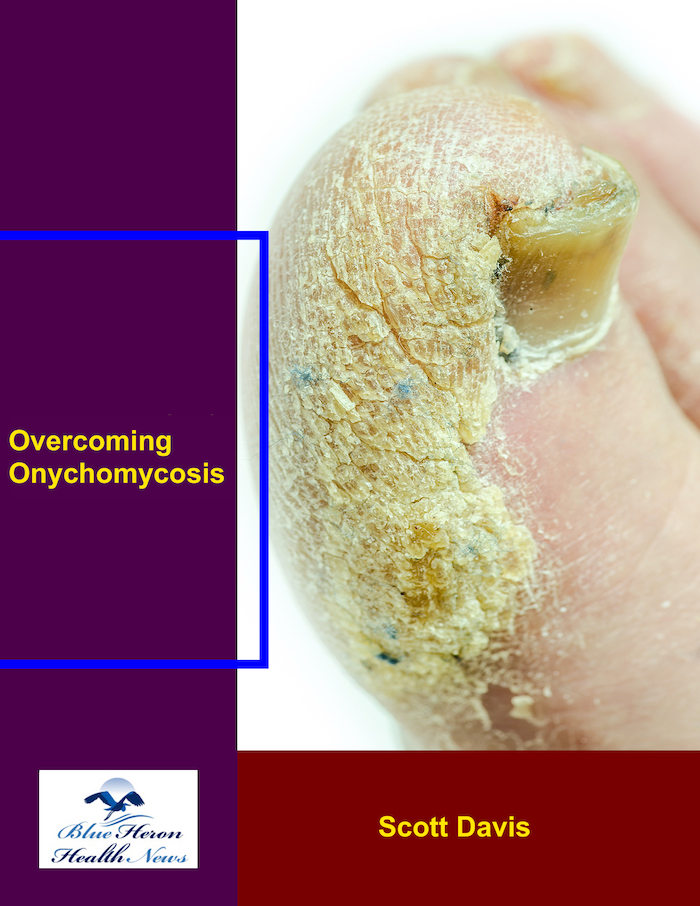
Overcoming Onychomycosis
A digital guide by Scott Davis. Review the guide overview and contents before deciding whether it is relevant to you.
- Topic: nail fungus
- Author: Scott Davis Health Guides
- Format: digital guide
 Secure checkout through ClickBank
This page contains affiliate links. We may earn a commission if you purchase through them, at no extra cost to you.